Piggyback Font: A Versatile Typeface for Makers and Creative Sellers
There’s something magical about finding the right font for your handmade creations. It's like discovering a new color of thread or a unique texture of paper that just feels right for your brand. Recently, I was designing some candle labels for my small shop and realized how important it is to choose a typeface that complements the product's vibe. That’s when I stumbled upon Piggyback, an elegant sans serif font that instantly made my designs pop with charm and clarity.
The Charm of Piggyback in Real-Life Projects
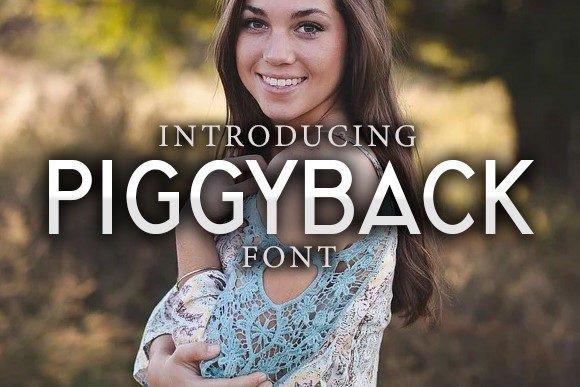
Piggyback has a clean, friendly structure with subtle character details that make it stand out from generic sans serifs. It doesn’t scream modern minimalism but instead offers a warm, approachable look that works beautifully across both digital and physical formats. The letterforms are crisp yet soft enough to feel inviting—perfect for anything where you want your words to be seen and felt.
I first used Piggyback on a set of seasonal greeting cards. As I layered it over watercolor backgrounds and hand-drawn illustrations, I noticed how well it balanced whimsy and professionalism. It didn’t overpower the delicate elements, nor did it get lost in them. Instead, it wrapped around the design like a gentle breeze, guiding the eye without being too loud.
From Labels to Wall Art: Where Piggyback Shines
- Candle Labels: When crafting candles, especially those with natural ingredients or artisanal packaging, typography plays a big role in storytelling. Piggyback gives my labels a polished, trustworthy look while still feeling personal and crafted by hand.
- Greeting Cards & Invitations: Whether it’s a birthday card or a wedding invitation, Piggyback adds a touch of sophistication without being overly formal. Its legibility ensures the message is clear, while its personality makes each card feel special.
- Printable Wall Art: I designed a few minimalist wall art templates using Piggyback as the main text. The font’s open spacing and uniform strokes allowed me to play with negative space and balance the composition effectively.
- Boutique Packaging: For gift tags and boutique-style boxes, Piggyback brings a sense of curated quality. It’s versatile enough to pair with botanical prints or vintage textures, making it ideal for a wide range of aesthetic preferences.
- Seasonal Shop Items: During the holidays, I created custom tags for handmade ornaments and gift wrap using Piggyback. It added a festive cheer without becoming too playful, which helped maintain a cohesive brand identity.
Why Choose Piggyback for Your Handmade Creations?
As a maker, your fonts do more than convey information—they shape your brand’s voice. Piggyback is a premium font that speaks softly but clearly. It’s not just another sans serif; it’s a display font with a thoughtful rhythm that feels both professional and personable. This duality makes it perfect for creators who want their work to reflect authenticity and care.
Its consistent stroke widths and rounded edges give it a softness that’s great for logos and branding materials. I’ve used it in logo mockups for several shops and found it especially effective for businesses with a cozy, community-driven vibe. The font doesn’t demand attention—it earns it through subtlety and style.
Readability and Practical Use in Craft Projects
One thing I always consider when choosing a font is readability. Piggyback excels here. Even in smaller sizes, like on stickers or mug band wraps, the letters remain clear and easy to read. This is a huge plus if you're using a cutting machine like Cricut or Silhouette, where fine lines can easily become distorted. I’ve tested it on sticker sheets meant for mini jars and found that it holds up beautifully in both large headings and small footnotes.
For longer text like planner pages or printable quotes, Piggyback isn’t the best fit. But when used for short phrases, names, or decorative wording, it becomes a standout choice. Think of it as the kind of font that should be the hero, not the background. Use it for headlines, product names, and key phrases, and let it shine while letting simpler fonts handle body copy.
Font Pairing Tips for Maximum Impact
Pairing Piggyback with the right font can elevate your designs even further. Here are a few combinations I've tried successfully:
- Piggyback + Simple Serif: Great for invitations and editorial layouts. The contrast between the soft sans serif and the classic serif adds depth and elegance.
- Piggyback + Script Font: Works wonders for romantic or celebratory projects. I paired it with a cursive script for a wedding welcome board, and the result was charming and readable.
- Piggyback + Bold Display Font: Perfect for signs and bold statements. Using Piggyback alongside a heavier, more dramatic font creates visual interest and highlights key messages.
- Piggyback + Clean Sans Serif: Ideal for maintaining consistency in branding. I used two different sans serif weights in my shop’s packaging, with Piggyback as the title and a lighter sans for supporting text.
Each pairing tells a different story, so don’t be afraid to experiment and see what resonates with your creative vision.
Designing with Purpose: Brand Consistency and Emotional Appeal
Typography is one of the easiest ways to build brand recognition. With Piggyback, I’ve been able to keep a consistent tone across all my products—from printed greeting cards to digital downloads. Customers start to associate that familiar look with the quality and warmth of my shop, which builds trust and loyalty over time.
The emotional appeal of a font shouldn’t be underestimated. Piggyback has a friendly, approachable mood that helps connect with audiences on a personal level. Whether it’s a farmhouse sign welcoming guests to a cozy home or a tote bag with a motivational quote, this font enhances the message by making it feel intentional and heartfelt.
Commercial Use and Licensing Clarity
Before launching any product into my shop, I always check the licensing details. Piggyback is a commercial font, which means you can use it confidently in your sales. Be sure to review the included styles, alternates, ligatures, and file formats to ensure it meets your project needs. If you’re creating SVG-style designs for cutters, confirm that the font includes proper outlines and supports the tools you use.
Also, take note of multilingual support if you're planning to reach international customers. And remember, if you're selling printables or digital assets featuring Piggyback, the license terms must allow for such uses. Always double-check before finalizing your shop listings or print-on-demand templates.
Bringing Piggyback to Life in Your Workshop
Let’s say you’re working on a batch of holiday mugs for your Etsy store. You want the text to feel warm and inviting. Piggyback fits perfectly there. Its slightly rounded characters add a touch of friendliness that’s hard to replicate with other fonts. Just imagine a mug labeled “Merry & Bright” in Piggyback—simple, memorable, and full of charm.
Or picture yourself prepping a set of planner pages. While Piggyback might not be ideal for long paragraphs, it’s perfect for section headers, date blocks, or motivational titles. It adds a subtle flair that keeps your layout fresh and engaging without overwhelming the user.
I also love using it for social media graphics and shop previews. It looks great in both light and dark backgrounds, and its neutral tone adapts well to seasonal themes. From autumnal tones to winter whites, Piggyback maintains its integrity and impact.
A Few Pro Tips for Working with Piggyback
- Use it sparingly to avoid clutter—especially in busy designs.
- Test it at various sizes on real materials before printing, whether it's on cardstock, fabric, or vinyl.
- Consider adding a bit of texture or color beneath the text to enhance the visual layer without losing legibility.
- Don’t forget to explore alternates and ligatures for a more personalized look.
When I’m preparing mockups, I often switch between different weights of Piggyback to find the right balance. Sometimes a bolder version works better for signage, while a lighter one suits delicate card designs. This flexibility is invaluable when tailoring your products to different audiences or aesthetics.
Final Thoughts on Piggyback and Creative Typography
Choosing the right font can transform your handmade items from ordinary to extraordinary. Piggyback, with its blend of simplicity and character, is one of those rare fonts that feels like it was made specifically for makers. It’s not flashy, but it’s far from boring. It’s a font that lets your creativity speak louder while ensuring your message is heard clearly.
Whether you’re labeling a jar of homemade jam or designing a line of farmhouse-inspired wall art, Piggyback is a reliable partner in your design toolkit. It’s adaptable, stylish, and above all, practical. That’s why I keep coming back to it whenever I need a typeface that feels just right for my shop and my customers.